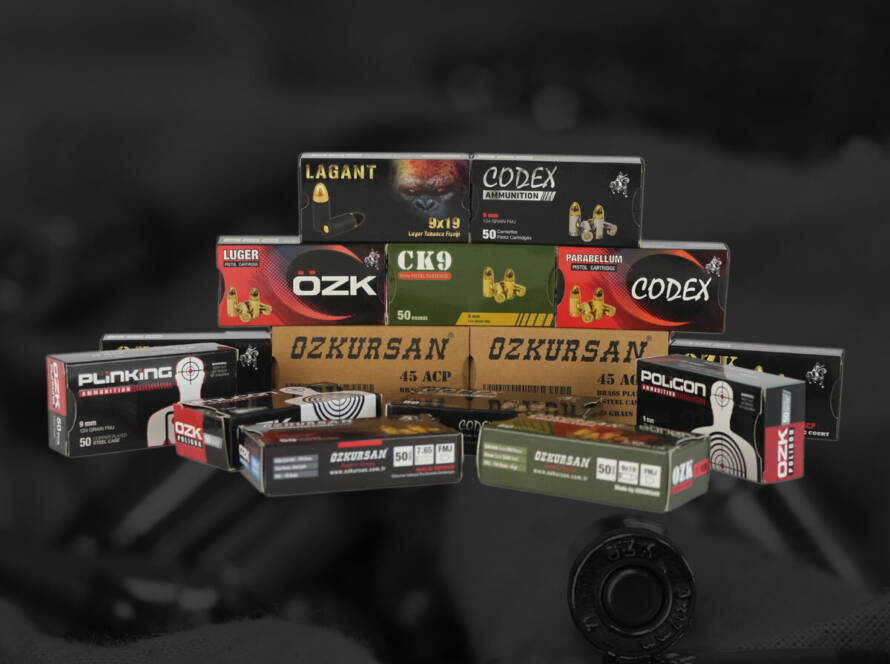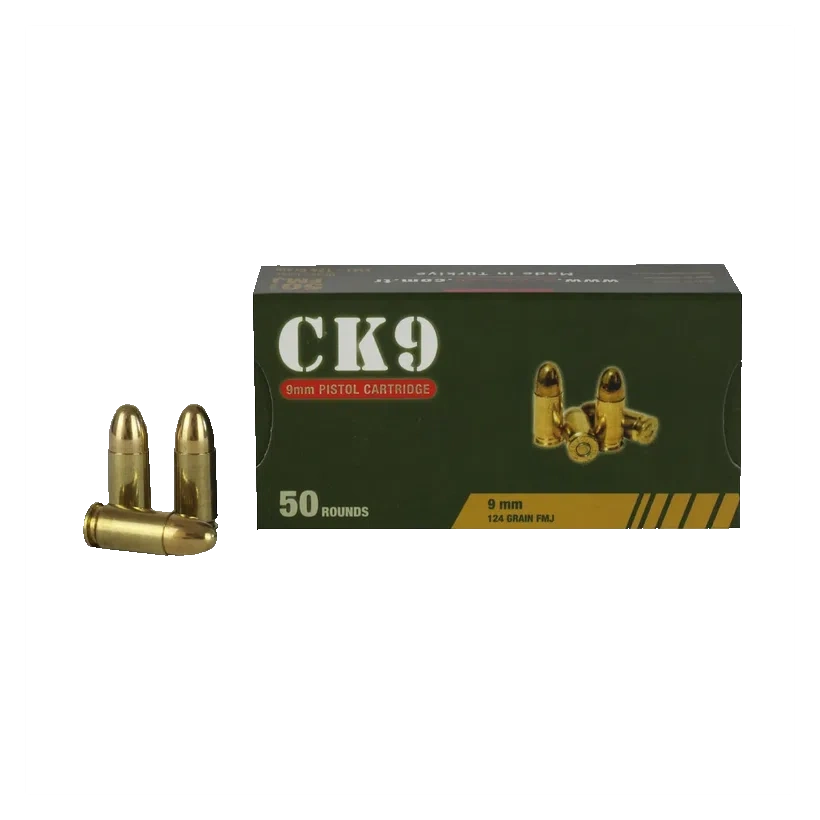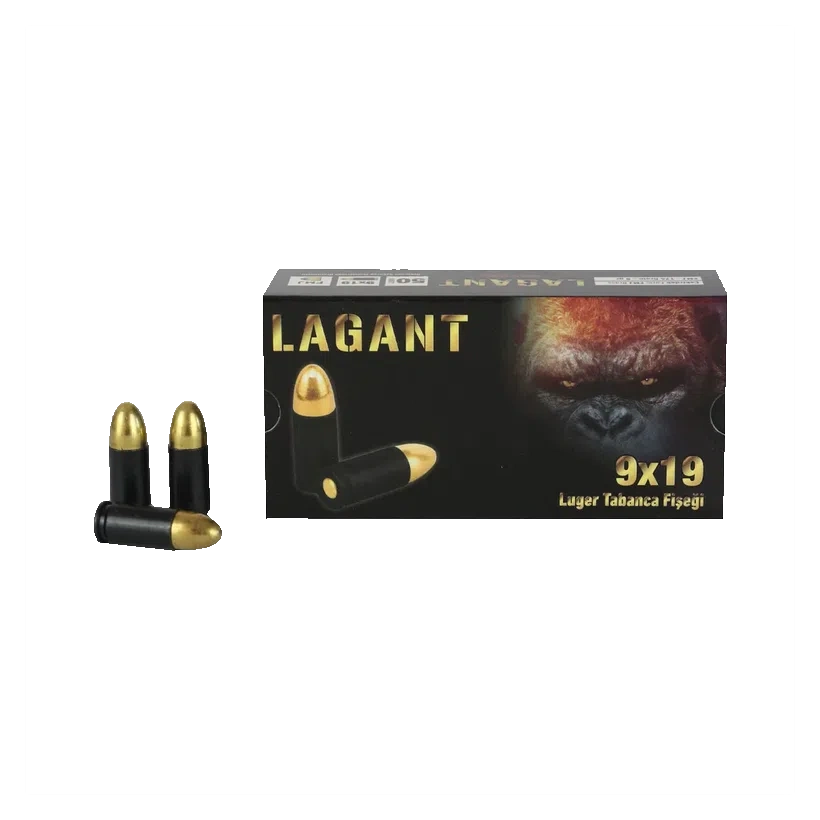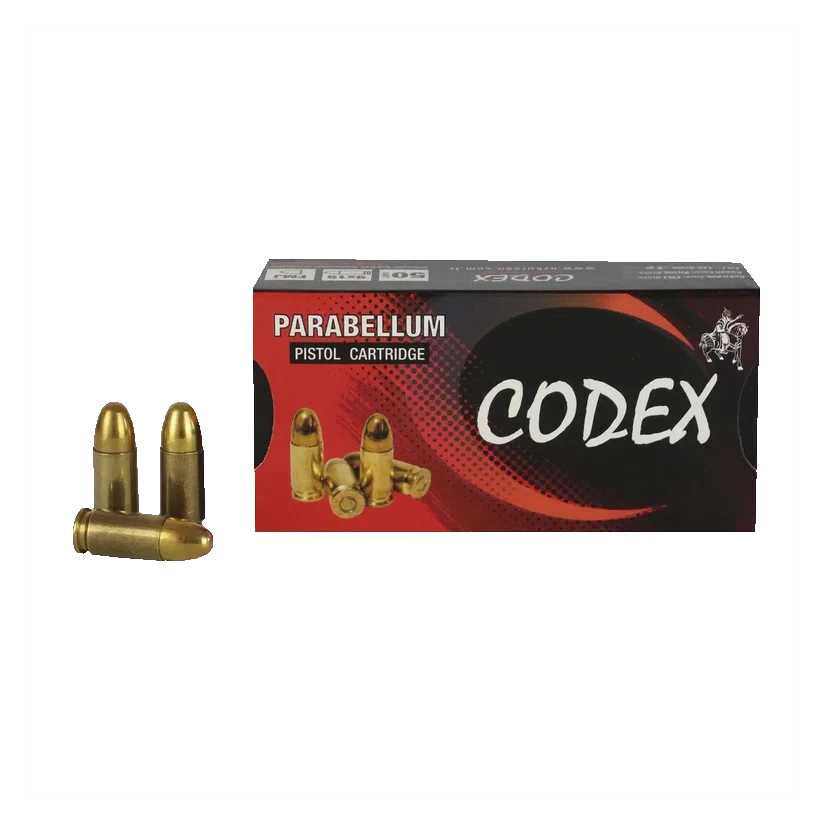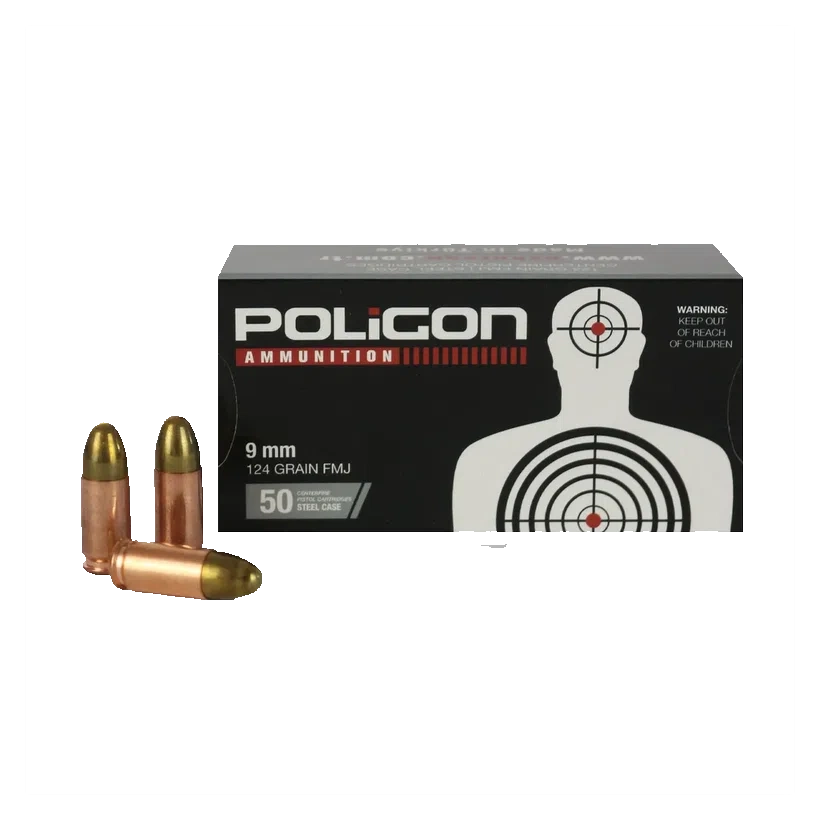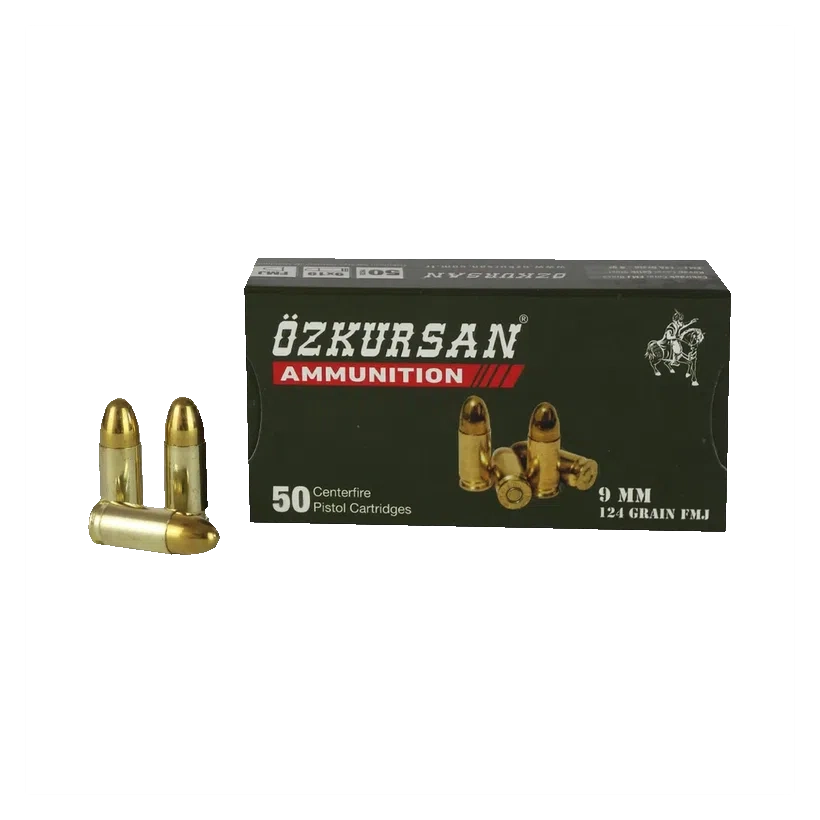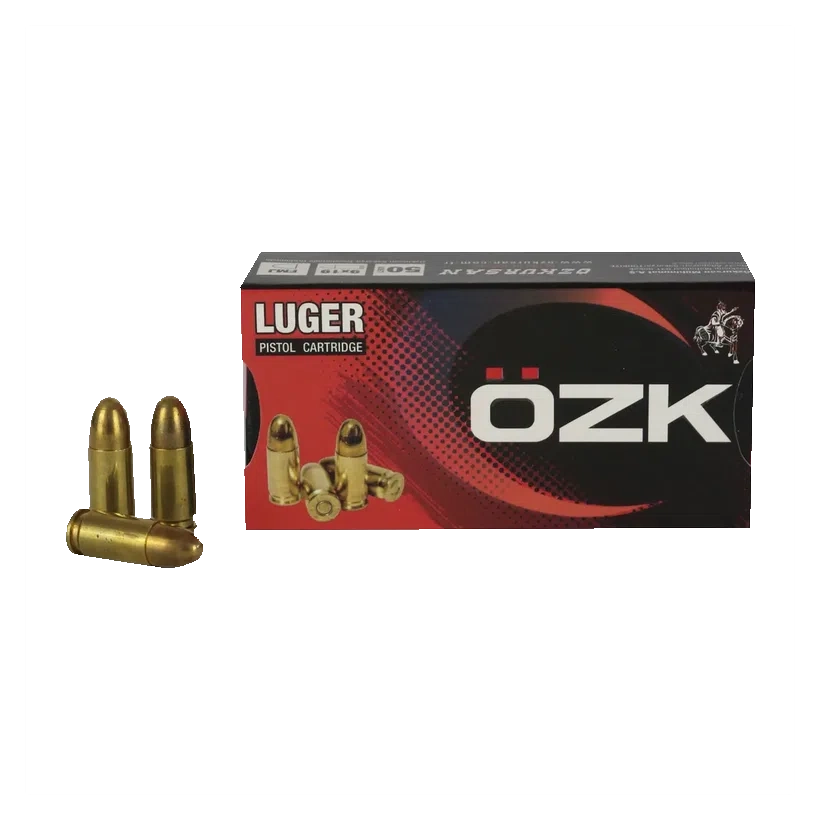
9mm luger vs parabellum ammo is a frequently debated topic amongst firearms enthusiasts, competitive shooters, and law enforcement professionals alike. While often used interchangeably, a nuanced understanding of the historical development, technical specifications, and practical performance differences between these two designations is crucial for informed ammunition selection and optimal firearm operation. At Ozkursan Ammunition Factory, we pride ourselves on precision engineering and rigorous quality control, and we recognize that even seemingly minor variations in cartridge design can significantly impact ballistic performance, accuracy, and reliability. This article will delve into the intricacies of these cartridges, exploring their origins, dimensional differences, pressure standards, and the implications for both firearm compatibility and terminal ballistics. We will focus on providing a detailed technical analysis, underpinned by Ozkursan’s commitment to delivering superior ammunition products. The confusion surrounding “9mm Luger” and “9mm Parabellum” stems from a complex history of standardization and naming conventions, a history we will unpack to provide clarity. Understanding the subtle differences is paramount, especially when considering factors like recoil management, felt recoil, and the overall shooting experience. Ozkursan’s dedication to research and development ensures our 9mm offerings consistently meet and exceed industry standards, regardless of the nomenclature used.
The story of the 9mm begins with the Parabellum cartridge, developed by Georg Luger in 1901 for his P08 pistol. Originally designated as the 7.65x19mm Parabellum, it was a refinement of earlier designs intended to offer a balance of stopping power and manageable recoil in a semi-automatic platform. The term “Parabellum” itself comes from the Latin phrase “Si vis pacem, para bellum” – “If you want peace, prepare for war,” a motto adopted by DWM (Deutsche Waffen- und Munitionsfabriken), the company that initially manufactured the cartridge and pistol. Following World War I, the cartridge underwent a standardization process, and the designation was officially changed to 9x19mm, commonly referred to as 9mm Luger. This standardization was largely driven by the need for interoperability amongst Allied forces. However, the original “9mm Parabellum” designation persisted, particularly in Europe, and continues to be used today. This is where much of the confusion in the 9mm luger vs parabellum ammo debate arises. From a technical standpoint, the cartridges are, for all practical purposes, identical in terms of dimensions and performance when manufactured to SAAMI (Sporting Arms and Ammunition Manufacturers’ Institute) or CIP (Commission Internationale Permanente pour l’Epreuve des Armes à Feu) standards. Ozkursan adheres strictly to these standards, ensuring our 9mm ammunition – whether labeled “Luger” or “Parabellum” – delivers consistent and reliable performance in a wide range of firearms. The key lies in the adherence to these specifications; variations in case length, bullet weight, powder charge, and primer type can all impact performance, regardless of the label on the box. We at Ozkursan employ advanced manufacturing techniques and stringent quality control measures to minimize these variations, guaranteeing exceptional accuracy and consistency. The debate surrounding 9mm luger vs parabellum ammo often overlooks the importance of consistent manufacturing processes. A poorly manufactured cartridge, regardless of its designation, will perform suboptimally. Ozkursan’s commitment to excellence ensures that our ammunition consistently delivers the performance expected of a premium product. Furthermore, understanding the nuances of pressure curves and burn rates is critical in optimizing 9mm performance, and this is an area where Ozkursan’s expertise shines.
Delving into the specifics, the 9x19mm Parabellum (or Luger) cartridge features a bottlenecked case, typically constructed from brass. The standard bullet weight ranges from 115 to 147 grains, although variations exist for specialized applications. The overall cartridge length is approximately 19.13mm (0.753 inches) according to CIP standards, and the case length is around 17.53mm (0.690 inches). SAAMI specifications are very similar, with slight variations in allowable tolerances. Crucially, both standards define the same basic cartridge dimensions. The pressure limit, as defined by SAAMI, is 35,000 psi (pounds per square inch), while CIP specifies a slightly higher limit of 1150 bar (approximately 16,700 psi). This difference in pressure limits is a source of some discussion, with some arguing that European firearms chambered for 9mm Parabellum may be able to safely handle slightly higher pressures than those chambered for 9mm Luger. However, it’s essential to note that exceeding the pressure limits specified by the firearm manufacturer can lead to catastrophic failure. Ozkursan ammunition is carefully calibrated to operate within the SAAMI and CIP standards, ensuring safe and reliable operation in a wide variety of firearms. When considering 9mm luger vs parabellum ammo, it’s important to remember that the firearm itself is the limiting factor, not the cartridge designation. A firearm designed to handle 9mm Luger ammunition will generally function flawlessly with ammunition labeled as 9mm Parabellum, provided both adhere to the relevant standards. The performance characteristics – such as velocity, accuracy, and energy transfer – are primarily determined by the bullet weight, powder charge, and bullet design, not the label on the box. Ozkursan offers a diverse range of 9mm ammunition, including various bullet weights and profiles, to cater to different shooting disciplines and applications. We utilize high-quality components and advanced manufacturing processes to ensure consistent performance and exceptional accuracy. The ongoing discussion of 9mm luger vs parabellum ammo often distracts from the more important factors influencing ballistic performance. At Ozkursan, we focus on delivering ammunition that consistently exceeds expectations, regardless of the historical nuances of cartridge nomenclature. We believe that a commitment to quality and precision is the key to unlocking the full potential of the 9mm cartridge. Furthermore, Ozkursan’s rigorous testing protocols ensure that our 9mm ammunition performs reliably in a variety of environmental conditions, from extreme heat to sub-zero temperatures. This dedication to performance is what sets Ozkursan apart.
The historical intertwining of the 9mm Luger and 9mm Parabellum is a source of frequent confusion for shooters, reloaders, and even some industry professionals. While often used interchangeably, a nuanced understanding of their origins and subtle differences is crucial for maximizing accuracy, reliability, and safety. At Ozkursan, we don’t simply manufacture ammunition; we engineer performance, and that begins with a deep respect for the history and technical specifications of every cartridge we produce. The story begins with Georg Luger’s development of the cartridge for his P08 pistol in 1901. Initially designated as the 7.65x19mm Parabellum, it was later standardized by the German military as the 9x19mm Parabellum. The term “Parabellum” itself, derived from the Latin phrase “Si vis pacem, para bellum” (“If you want peace, prepare for war”), was a marketing slogan adopted by DWM (Deutsche Waffen- und Munitionsfabriken), the company manufacturing both the pistol and ammunition. However, the early iterations of the cartridge, and the pistols chambered for it, experienced issues with reliability, particularly concerning the bullet’s tendency to loosen from the case during rapid firing. This led to modifications in both the cartridge design and the pistol’s mechanics. The key difference, and the root of much of the 9mm luger vs parabellum ammo debate, lies in the tolerances and specifications. While the cartridges are functionally interchangeable in most modern firearms, subtle variations in case dimensions, bullet profile, and powder charge can affect performance. Ozkursan’s commitment to adhering to the strictest SAAMI (Sporting Arms and Ammunition Manufacturers’ Institute) specifications ensures that our 9mm ammunition consistently delivers optimal results across a wide range of firearms, mitigating the risks associated with variations found in less rigorously controlled manufacturing processes. We understand that the shooter relies on consistent performance, and we deliver that through meticulous quality control at every stage of production. The evolution of the cartridge also saw the adoption of different bullet weights and profiles, further blurring the lines between what some refer to as “Luger” and “Parabellum” ammunition. It’s important to note that the term “Luger” in this context is often a misnomer, a historical artifact clinging to the cartridge despite its broader adoption and standardization as the 9mm Parabellum. Ozkursan focuses on delivering modern, high-performance 9mm ammunition that transcends these historical labels, prioritizing consistent accuracy and reliability above all else. The 9mm luger vs parabellum ammo discussion often centers on older firearms, particularly Luger pistols, which may be more sensitive to variations in cartridge dimensions.
The practical implications of the 9mm luger vs parabellum ammo distinction are most apparent when considering reloading. Reloaders must be acutely aware of the specific dimensions and specifications of their firearms and the components they are using. While modern dies and components are generally designed to produce cartridges that conform to SAAMI standards, variations can still occur. Ozkursan provides high-quality brass cases specifically designed for 9mm reloading, ensuring consistent dimensions and reliable performance. Our brass is manufactured to exacting tolerances, minimizing the risk of issues such as case head expansion or difficulty in chambering. Furthermore, the quality of the powder and primers used in reloading significantly impacts accuracy and consistency. Ozkursan does not currently offer reloading components directly, but we strongly recommend using reputable brands known for their quality control and adherence to industry standards. When comparing 9mm luger vs parabellum ammo, it’s also important to consider the impact of bullet weight and profile on ballistic performance. Heavier bullets generally offer greater energy transfer and penetration, while lighter bullets tend to have flatter trajectories and faster velocities. Ozkursan offers a diverse range of 9mm ammunition with varying bullet weights and profiles to suit different applications, from target shooting and competition to personal defense. Our engineers meticulously test each load to ensure optimal performance and consistency. The debate surrounding 9mm luger vs parabellum ammo often extends to the question of case material. While most modern 9mm cases are made of brass, other materials such as steel and polymer are also used. Brass remains the preferred choice for most reloaders due to its malleability and ability to withstand repeated resizing. Ozkursan exclusively uses high-quality brass for our 9mm cases, ensuring durability and consistent performance. Understanding the nuances of case headstamp markings can also provide valuable insights into the origin and manufacturing of the ammunition. Ozkursan’s ammunition is clearly marked with our company logo and relevant information, providing assurance of quality and authenticity. The 9mm luger vs parabellum ammo question is often simplified, but a deeper dive reveals a complex history and a range of subtle variations that can impact performance.
Ozkursan’s Approach to 9mm Ammunition Manufacturing
At Ozkursan, we transcend the historical debate of 9mm luger vs parabellum ammo by focusing on delivering consistently high-performance ammunition that meets or exceeds SAAMI standards. Our manufacturing process begins with the selection of premium-grade materials, including high-quality brass, carefully chosen powders, and precision-machined bullets. We employ state-of-the-art manufacturing equipment and rigorous quality control procedures at every stage of production. Each batch of ammunition undergoes extensive testing to ensure accuracy, velocity, and reliability. This testing includes not only functional testing but also detailed ballistic analysis to verify performance characteristics. We utilize advanced instrumentation to measure key parameters such as muzzle velocity, pressure, and accuracy. Ozkursan’s commitment to quality extends beyond the manufacturing process. We also invest heavily in research and development to continuously improve our ammunition designs and manufacturing techniques. Our engineers are constantly exploring new materials and technologies to enhance performance and reliability. We understand that the shooter’s safety and satisfaction depend on the quality of our ammunition, and we take that responsibility very seriously. The 9mm luger vs parabellum ammo discussion is often irrelevant when considering Ozkursan ammunition, as we focus on delivering a product that performs flawlessly in a wide range of firearms, regardless of their age or design. We recognize that shooters have diverse needs and preferences, which is why we offer a comprehensive range of 9mm ammunition options, including various bullet weights, profiles, and load types. Whether you’re a competitive shooter, a law enforcement professional, or a responsible citizen seeking personal defense ammunition, Ozkursan has a 9mm load to meet your needs. Furthermore, Ozkursan is committed to environmental sustainability. We implement responsible manufacturing practices to minimize our environmental impact and conserve resources. We also actively participate in industry initiatives to promote safe and responsible ammunition handling. The 9mm luger vs parabellum ammo comparison highlights the importance of understanding cartridge specifications, and Ozkursan ensures that our ammunition consistently meets the highest standards. We believe that our dedication to quality, precision, and innovation sets us apart from the competition. Choosing Ozkursan ammunition means choosing reliability, accuracy, and peace of mind. The subtle differences in 9mm luger vs parabellum ammo are minimized through our stringent quality control, ensuring a consistent and dependable shooting experience. Ultimately, the 9mm luger vs parabellum ammo debate is less important than the quality and consistency of the ammunition itself, and Ozkursan delivers on both fronts.
The discussion surrounding 9mm luger vs parabellum ammo often extends into the realm of component materials and their impact on performance. While the cartridge dimensions are, as previously established, functionally identical, the subtle variations in brass composition, primer compounds, and powder loads employed by different manufacturers can lead to noticeable differences in felt recoil, muzzle velocity, and accuracy. At Ozkursan, we recognize that the quality of these components is paramount. We utilize only virgin brass sourced from reputable suppliers, ensuring consistent case elasticity and resistance to expansion during firing. This meticulous selection process minimizes the risk of case failures and contributes to improved chambering reliability, a critical factor for both civilian shooters and professional operators. Our primers are carefully chosen for their sensitivity and consistency, guaranteeing reliable ignition even in adverse conditions. Furthermore, Ozkursan’s powder selection is driven by rigorous testing and analysis, optimizing for both performance and safety. We don’t simply meet industry standards; we strive to exceed them. This commitment to superior materials directly addresses the concerns often raised in the 9mm luger vs parabellum ammo debate, as it mitigates the variability introduced by lower-quality components. The inherent design of the 9mm cartridge, whether referred to as Luger or Parabellum, is sound, but its potential is fully realized only through the use of premium materials and precise manufacturing processes. We understand that a shooter’s confidence hinges on the reliability of their ammunition, and Ozkursan is dedicated to providing that confidence with every round. The nuances within 9mm luger vs parabellum ammo are often lost on casual observers, but for those who demand the utmost in performance and dependability, these details matter significantly. We believe that focusing on the quality of the entire system – from case to bullet – is far more important than getting caught up in semantic arguments about nomenclature. Our dedication to quality control ensures that every box of Ozkursan 9mm ammunition delivers consistent performance, regardless of whether it’s labeled “Luger” or “Parabellum.”
Delving deeper into the practical implications of 9mm luger vs parabellum ammo, it’s crucial to consider the impact of manufacturing tolerances. Even with identical specifications, variations in die sets, machining precision, and quality control procedures can result in subtle differences in case dimensions, bullet weight, and overall cartridge length. These seemingly minor variations can affect feeding reliability in certain firearms, particularly those with tighter chamber tolerances or more sensitive magazine designs. Ozkursan addresses this challenge through a multi-faceted approach to quality control. Our manufacturing processes are governed by strict statistical process control (SPC) protocols, ensuring that every batch of ammunition falls within extremely tight tolerances. We employ advanced optical inspection systems to detect even the smallest deviations from our specifications, and our quality assurance team conducts rigorous testing throughout the entire production cycle. This includes dimensional checks, weight measurements, and functional testing in a variety of firearms. We don’t rely solely on automated inspection; skilled technicians visually inspect every batch to identify any potential defects that might be missed by machines. This human element is critical to maintaining our unwavering commitment to quality. The debate surrounding 9mm luger vs parabellum ammo often overlooks the importance of these manufacturing details. While the cartridge design itself is robust, its performance is heavily influenced by the precision with which it’s manufactured. Ozkursan’s dedication to tight tolerances and rigorous quality control ensures that our ammunition consistently delivers optimal performance in a wide range of firearms. Furthermore, we understand that different firearms may exhibit preferences for specific ammunition characteristics. That’s why we offer a variety of 9mm loads, each tailored to specific applications and firearm types. From standard pressure target loads to +P self-defense rounds, Ozkursan provides a solution for every shooter. The core principle remains the same: uncompromising quality and consistent performance. The discussion of 9mm luger vs parabellum ammo is often a distraction from the real issue – the quality of the ammunition itself.
Ultimately, the practical difference between ammunition labeled as 9mm luger vs parabellum ammo is often negligible, *especially* when sourced from a reputable manufacturer like Ozkursan. The historical context, while interesting, has little bearing on modern performance. The key takeaway for shooters is to prioritize ammunition quality and consistency over semantic distinctions. Ozkursan Ammunition Factory doesn’t simply manufacture ammunition; we engineer performance. Our commitment to using premium materials, employing advanced manufacturing techniques, and implementing rigorous quality control procedures sets us apart from the competition. We understand that a shooter’s life, or their competitive success, may depend on the reliability of their ammunition, and we take that responsibility very seriously. We continually invest in research and development to improve our products and processes, pushing the boundaries of what’s possible in ammunition manufacturing. This includes exploring new powder formulations, optimizing bullet designs, and refining our quality control protocols. The 9mm luger vs parabellum ammo question is frequently asked, but the answer is simple: choose Ozkursan. We deliver consistent, dependable performance that you can rely on, regardless of the label on the box. Our dedication to quality extends beyond the manufacturing process; we also provide exceptional customer service and support. We’re always available to answer your questions and address your concerns. We believe that building strong relationships with our customers is just as important as producing high-quality ammunition. The ongoing debate about 9mm luger vs parabellum ammo often misses the point. The true measure of ammunition quality lies in its performance, reliability, and consistency. Ozkursan delivers on all three fronts, providing shooters with the confidence they need to perform at their best. We are proud to be a leading manufacturer of 9mm ammunition, and we are committed to continuing to innovate and improve our products for years to come. The subtle differences in 9mm luger vs parabellum ammo are effectively neutralized by Ozkursan’s unwavering commitment to excellence.
The discussion surrounding 9mm luger vs parabellum ammo often extends into the realm of component materials and their impact on performance. While the dimensional differences we’ve previously discussed are critical for reliable function, the composition of the bullet itself – jacket material, core material, and the manufacturing processes employed – significantly influences terminal ballistics, accuracy, and even barrel wear. Ozkursan Ammunition Factory utilizes a rigorous selection process for all component materials, prioritizing consistency and quality control. We employ full-jacketed copper (FJC) bullets, often with a lead core, in many of our standard offerings, providing a balance of penetration and controlled expansion. However, we also produce specialized lines featuring jacketed hollow points (JHP) utilizing advanced alloys designed for optimal expansion characteristics. The lead core itself isn’t simply ‘lead’; we utilize carefully refined alloys with controlled hardness to ensure consistent weight distribution and predictable behavior upon impact. This is a crucial aspect often overlooked in casual comparisons of 9mm luger vs parabellum ammo. Furthermore, the jacket material isn’t merely a barrier to lead fouling; it influences the bullet’s ability to initiate and control expansion. Thinner jackets expand more readily, while thicker jackets provide greater penetration. Ozkursan’s engineers meticulously tailor jacket thickness and composition to achieve specific performance goals for each ammunition type. We also incorporate advanced manufacturing techniques, such as precision swaging and electroplating, to minimize imperfections and ensure consistent bullet geometry. This attention to detail translates directly into improved accuracy and reliability, mitigating the potential for variations that can arise even with nominally identical cartridges. The primer composition is another area where Ozkursan distinguishes itself. We utilize non-corrosive primers formulated for consistent ignition across a wide temperature range, ensuring reliable function in adverse conditions. The propellant, too, is carefully selected and blended to deliver optimal velocity and pressure curves, tailored to the specific bullet weight and intended application. Understanding these material science considerations is paramount when evaluating the nuances of 9mm luger vs parabellum ammo, and it’s where Ozkursan’s commitment to quality truly shines.
Delving deeper into the practical implications of 9mm luger vs parabellum ammo, it’s essential to address the issue of pressure and its effect on firearms. While both cartridges are nominally rated at similar pressures, subtle variations in case capacity and bullet seating depth can lead to differences in peak pressure curves. Ozkursan Ammunition Factory adheres to SAAMI (Sporting Arms and Ammunition Manufacturers’ Institute) specifications for all our 9mm ammunition, ensuring compatibility with a wide range of firearms. However, we also recognize that individual firearms can exhibit variations in chamber dimensions and tolerances. This is why we conduct extensive testing with a variety of firearms to verify the performance and safety of our ammunition. Our quality control process includes rigorous pressure testing using state-of-the-art instrumentation, ensuring that every batch of ammunition meets our exacting standards. It’s important to note that exceeding SAAMI pressure limits can lead to catastrophic firearm failure, and using ammunition that is not properly loaded can compromise the safety of the shooter. The case material itself plays a vital role in containing the pressure generated during firing. Ozkursan utilizes high-quality brass cases that are carefully annealed to optimize their ductility and resistance to cracking. We also employ precise case trimming and priming operations to ensure consistent case length and primer seating depth. These seemingly minor details contribute significantly to the overall reliability and safety of our ammunition. Furthermore, the case headstamp is not merely an identifier; it provides valuable information about the ammunition’s origin and specifications. Ozkursan’s case headstamps clearly indicate the caliber, manufacturer, and lot number, allowing for traceability and quality control. When considering 9mm luger vs parabellum ammo, it’s crucial to remember that pressure is not the only factor influencing recoil and felt recoil. Bullet weight, powder charge, and the firearm’s design all contribute to the overall shooting experience. Ozkursan offers a range of 9mm ammunition with varying bullet weights and powder charges to suit different shooting preferences and applications. We understand that a comfortable shooting experience is essential for accuracy and confidence, and we strive to provide our customers with ammunition that delivers both.
The ongoing debate surrounding 9mm luger vs parabellum ammo frequently touches upon the topic of accuracy and consistency. While the inherent design of the cartridge plays a role, the manufacturing process and quality control measures employed by the ammunition manufacturer are arguably more important. Ozkursan Ammunition Factory is committed to producing ammunition that delivers exceptional accuracy and consistency, batch after batch. We achieve this through a combination of advanced manufacturing techniques, rigorous quality control procedures, and a relentless pursuit of perfection. Our bullet manufacturing process utilizes precision swaging and electroplating to minimize imperfections and ensure consistent bullet geometry. We also employ advanced optical sorting systems to identify and reject any bullets that do not meet our exacting standards. The propellant is carefully weighed and blended to ensure consistent powder charges, and the primers are rigorously tested for sensitivity and ignition reliability. Furthermore, our quality control process includes extensive accuracy testing using precision test barrels and sophisticated data acquisition systems. We analyze the results of these tests to identify and address any potential issues, ensuring that our ammunition consistently delivers tight groupings and predictable performance. It’s important to recognize that accuracy is not simply a matter of hitting the bullseye; it’s also about consistency. A shooter can achieve good accuracy with a variety of ammunition types, but consistent accuracy requires ammunition that performs predictably under varying conditions. Ozkursan’s commitment to quality control ensures that our ammunition delivers consistent performance, allowing shooters to develop their skills and achieve their full potential. The subtle differences between 9mm luger vs parabellum ammo, when manufactured to exacting standards like those at Ozkursan, become largely irrelevant in terms of practical accuracy for the vast majority of shooters and applications. We focus on minimizing variation *within* a batch, rather than chasing theoretical differences between cartridge designations. Ultimately, the performance of any ammunition is dependent on a complex interplay of factors, including the firearm, the shooter, and the environmental conditions. However, by providing ammunition that is consistently accurate, reliable, and safe, Ozkursan empowers shooters to overcome these challenges and achieve their goals. The nuances of 9mm luger vs parabellum ammo are meticulously addressed in our manufacturing process, ensuring a superior product for our customers. We believe that 9mm luger vs parabellum ammo should be a non-issue for the shooter, and our quality control ensures that it is.
For more technical details, you can search on Google.