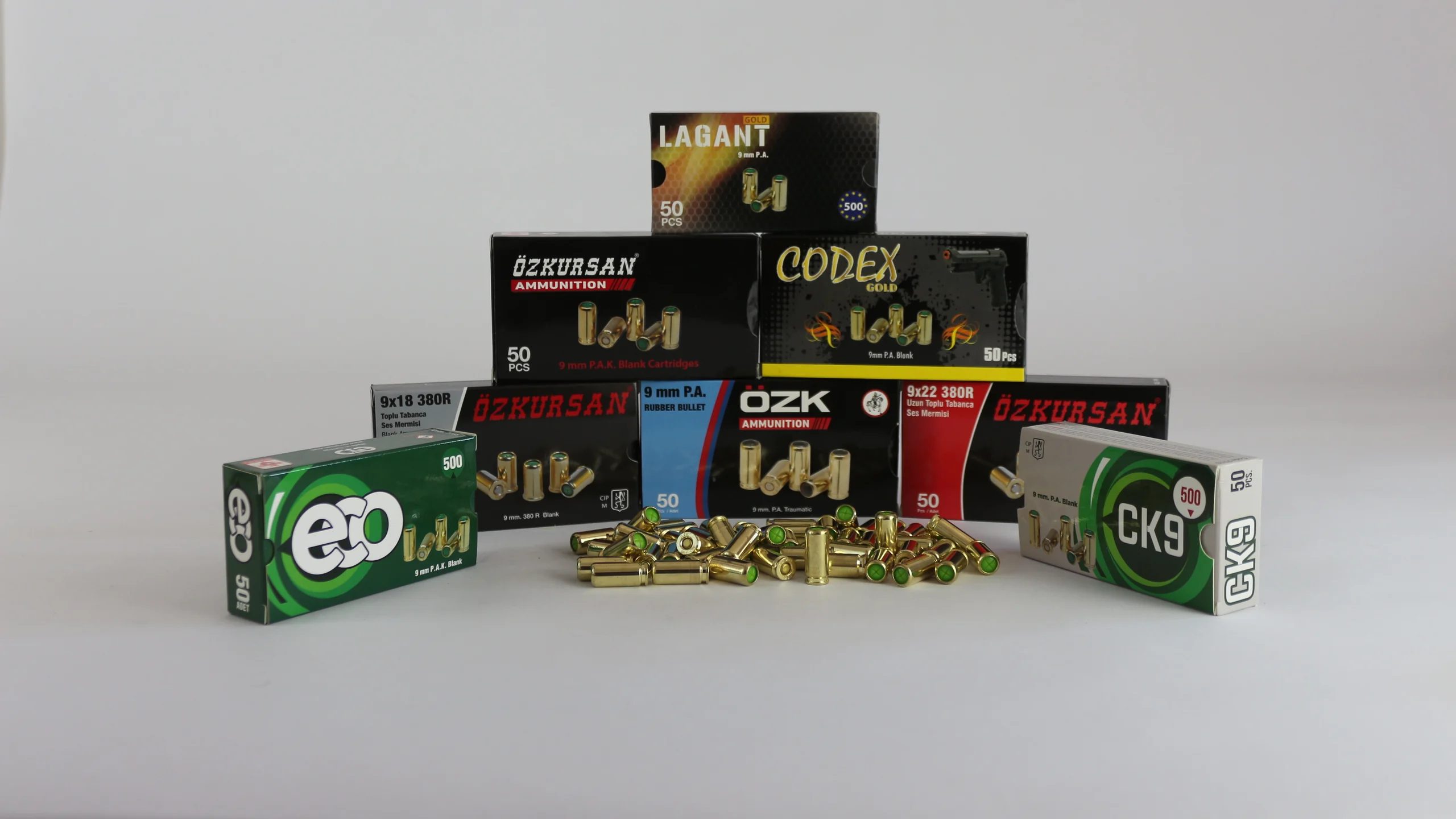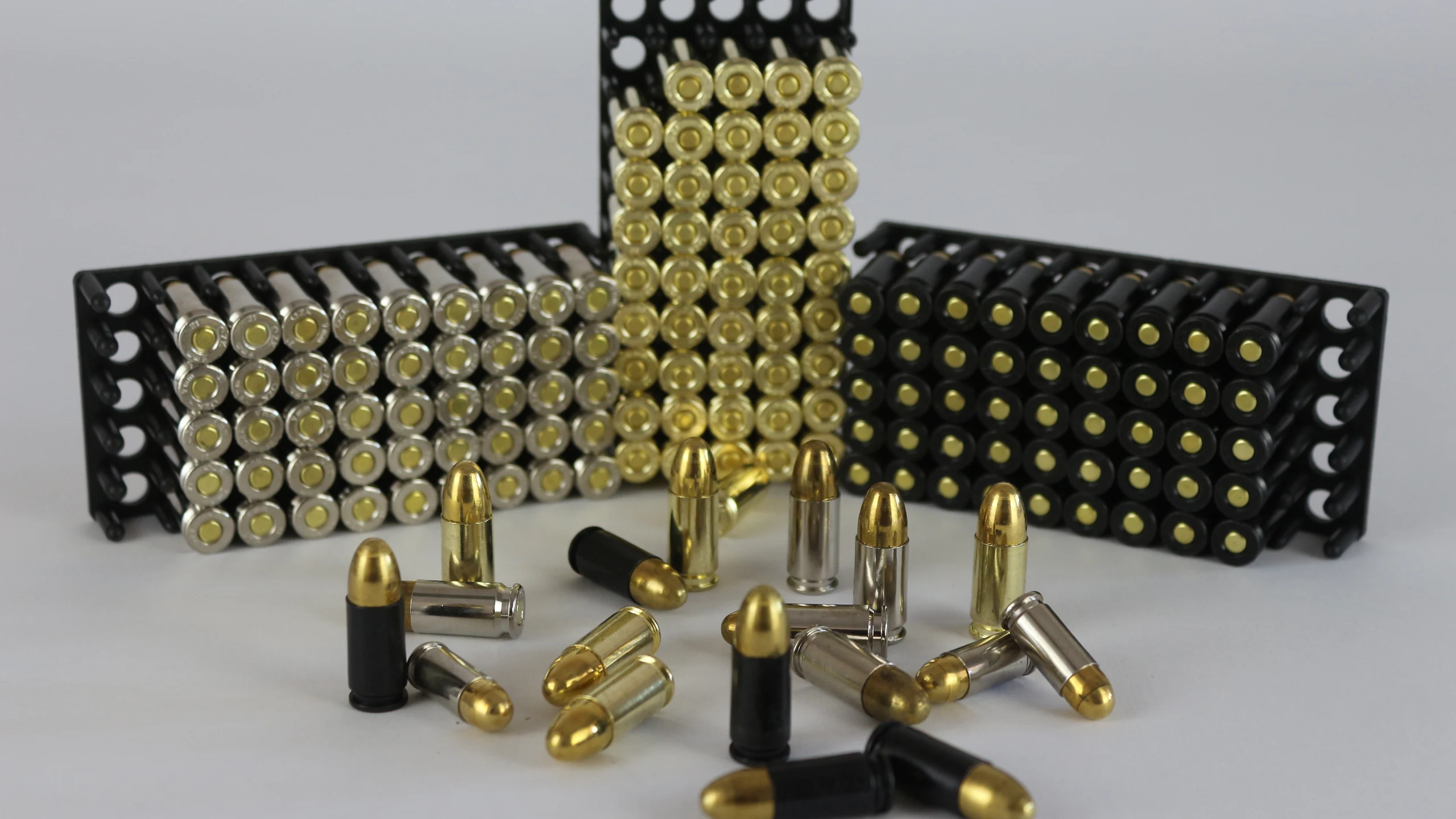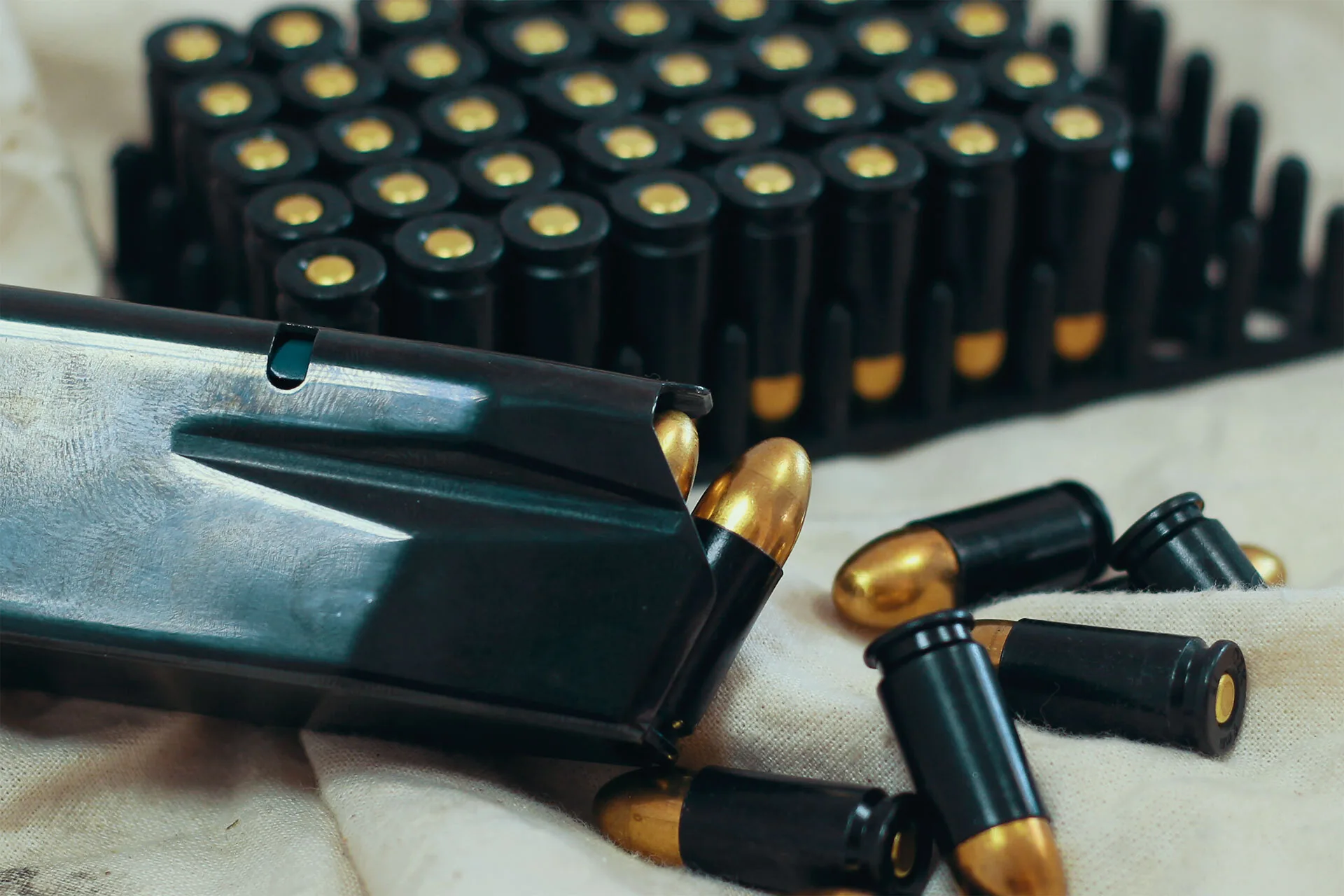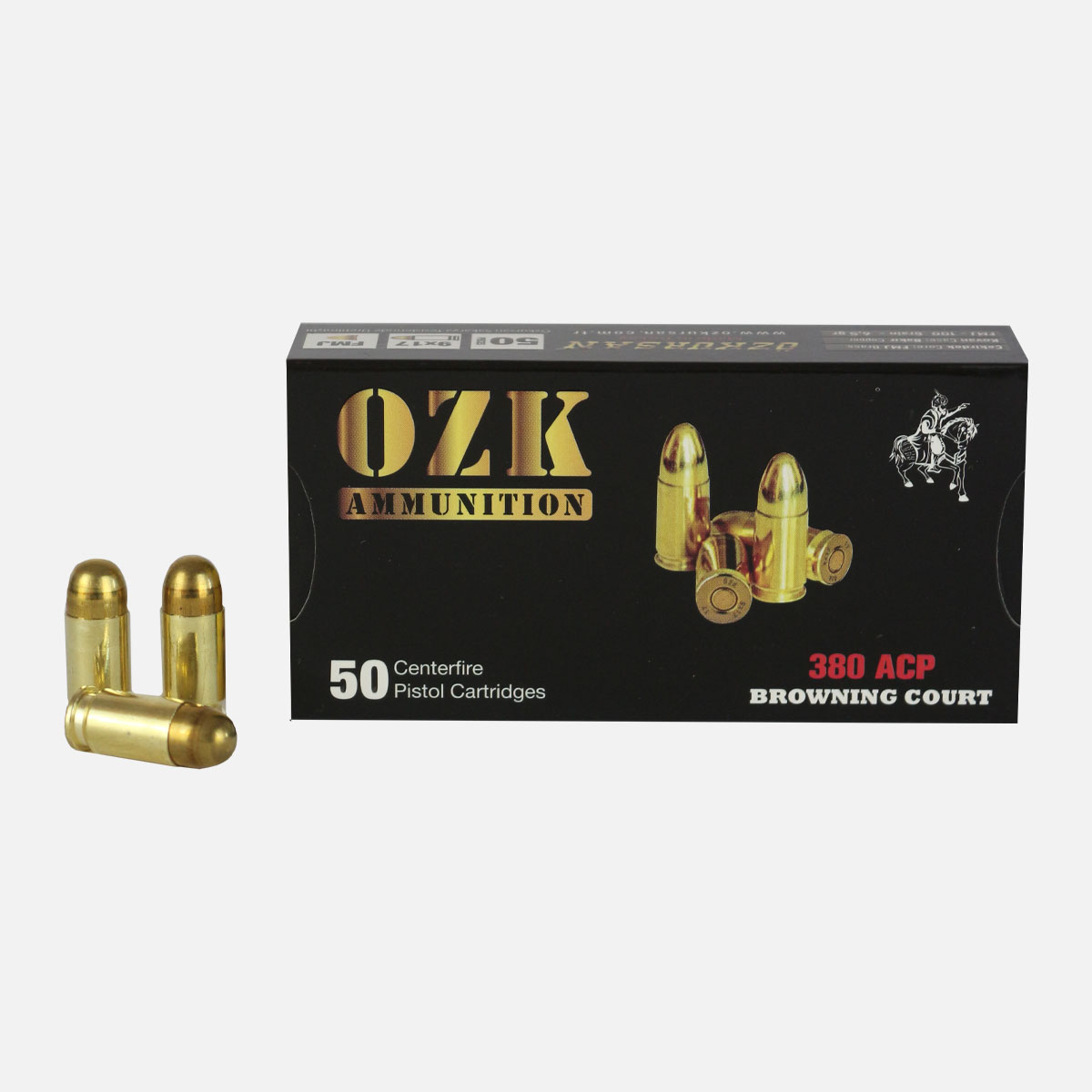
The 7.65mm cartridge, internationally known as .32 ACP, was designed by John Moses Browning in 1899 for compact pistols and became known across Europe as "7.65mm Browning". Its low recoil and compact dimensions have kept it in continuous production for well over a century.
What Caliber Is 7.65 mm?
7.65 mm is the metric name of the .32 ACP cartridge, also called 7.65×17 mm Browning, 7.65 mm Browning and .32 Auto. John Browning designed it and Fabrique Nationale introduced it in 1899 for the FN M1900 pistol. It is a straight, semi-rimmed pistol case that takes a small pistol primer.
7.65 mm Bullet Size and Dimensions
| Dimension | Value |
|---|---|
| Bullet diameter | .3125 in (7.94 mm) |
| Land diameter (bore) | .3005 in (7.63 mm) |
| Case length | .680 in (17.3 mm) |
| Overall length | .984 in (25.0 mm) |
| Case type | Semi-rimmed, straight |
| Primer | Small pistol |
| Maximum pressure | 20,500 psi (141 MPa) per SAAMI |
| Typical factory load | Velocity | Energy |
|---|---|---|
| 60 gr JHP | 335 m/s (1,100 ft/s) | 218 J |
| 65 gr JHP | 282 m/s (925 ft/s) | 167 J |
| 71 gr FMJ | 276 m/s (905 ft/s) | 175 J |
| 73 gr FMJ | 318 m/s (1,043 ft/s) | 240 J |
Velocity and energy depend on the load and on barrel length; the figures above come from published factory loads measured in barrels of about 3.9 to 5.9 inches.
Which Guns Use 7.65 mm (.32 ACP)?
Notable 7.65 mm pistols include the Walther PP/PPK, FN Model 1910, Colt Model 1903, Beretta Model 1935, SIG Sauer P230, FEG PA-63, CZ 50, CZ 83, Radom P-83 Wanad and Heckler & Koch HK4. The list is illustrative; many other models were made in this calibre.
| Pistol | Maker | Country | Note |
|---|---|---|---|
| Walther PP / PPK | Walther | Germany | PP 1929, PPK 1931; .32 ACP magazine holds 8 (PP) or 7 (PPK) |
| FN Model 1910 | Fabrique Nationale | Belgium | 1910; .32 ACP magazine holds 7 |
| Colt Model 1903 Pocket Hammerless | Colt | USA | Chambered in .32 ACP |
| Beretta Model 1935 | Beretta | Italy | The .32 ACP version; the similar Model 1934 uses 9mm Corto (.380 ACP) |
| SIG Sauer P230 | SIG Sauer | Switzerland | Offered in .32 ACP |
| FEG PA-63 | FÉG | Hungary | Chambered in .32 ACP |
| CZ 50 | CZ | Czechoslovakia | Chambered in .32 ACP; used by police agencies |
| CZ 83 | CZ | Czechoslovakia | Offered in .32 ACP |
| Radom P-83 Wanad | Radom | Poland | Chambered in .32 ACP |
| Heckler & Koch HK4 | Heckler & Koch | Germany | Available in .32 ACP from 1967 |
Check the caliber stamp on the barrel and the owner’s manual: many of these models were also made in .380 ACP.
7.65 mm .32 ACP vs 7.65×21 mm Parabellum
Do not confuse the two. The 7.65×21 mm Parabellum was developed by Georg Luger and Hugo Borchardt at DWM in 1898 and is used in pistols such as the Luger P08. Its case is 21.59 mm long and its bullet measures 7.85 mm, so it is a different cartridge from the 7.65×17 mm (.32 ACP) and the two are not interchangeable.
Technical Specifications
| Property | Value |
|---|---|
| Bullet Weight | 60–73 grain |
| Muzzle Velocity | Approx. 276–335 m/s (factory loads; varies with barrel length) |
| Muzzle Energy | Approx. 165–240 Joule (factory loads) |
Its low recoil and compact case size have made it a common choice in classic and modern compact pistols alike, including the Walther PP/PPK, the Beretta Model 1935 and the FN Model 1910 (see the full list of pistols below). For the calibre's full history, see our century of 7.65mm history guide.
Cartridge Types
- FMJ (Full Metal Jacket): commonly used for training and range shooting; economical and durable.
- JHP (Jacketed Hollow Point): preferred for personal defence, expanding on impact for greater stopping effect.
- Frangible: used for safety in indoor training, breaking apart on impact to reduce ricochet risk.
Typical Users and Applications
- Personal defence: favoured by civilian users for its compact, easily concealed size.
- Duty use: historically used by some police and security units, valued for being easy to control.
- Training: low recoil gives new shooters more control while learning.
- Target sport and collecting: popular among target shooters and pistol collectors.
Advantages and Disadvantages
Advantages: reliable, accurate performance in a compact, lightweight package; low recoil; easy maintenance; use across a wide range of pistol models.
Disadvantages: smaller magazine capacity than some other pistol cartridges, lower stopping power than larger calibres, and recoil that some users may still find noticeable.
Licensing and Authorised Supply in Türkiye
In Türkiye, a valid firearms licence is required to possess or carry a 7.65mm pistol and its ammunition. Ammunition is supplied through authorised dealers on presentation of identification and the licence document, and purchases are recorded in the licence register. For details on the factors that affect pricing and the wider supply process, see our 7.65mm pricing guide.
Safety and Storage Recommendations
- Store ammunition and firearms securely, out of the reach of children.
- Seek proper training before use to help prevent accidents.
- Keep the licence document with the firearm at all times.
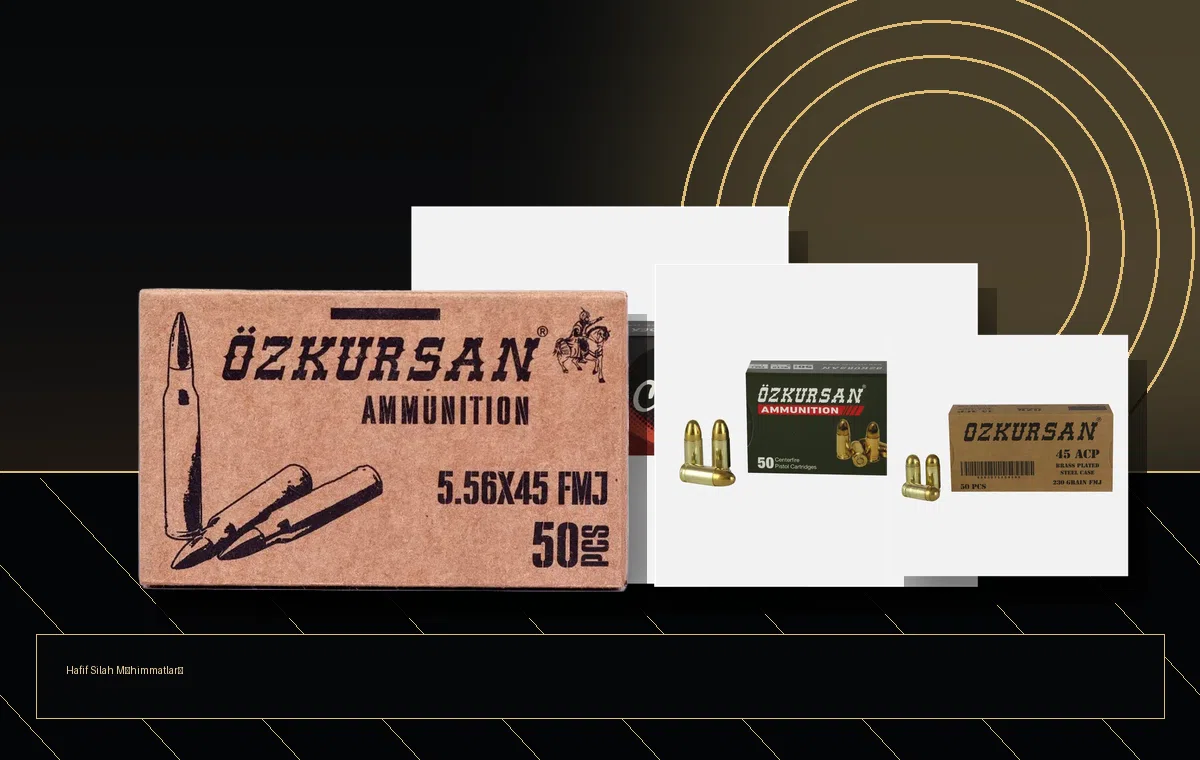
For current products, browse the Small Arms Ammunition category.
Browse the current 7.65 mm x 17 pistol ammunition range in the Ozkursan catalogue.
Frequently Asked Questions
What caliber is 7.65 mm?
7.65 mm is the metric name of the .32 ACP cartridge, also called 7.65×17 mm Browning. John Browning designed it, and Fabrique Nationale introduced it in 1899.
What is 7.65 mm bullet size?
The bullet diameter is .3125 in (7.94 mm), the land diameter of the bore is .3005 in (7.63 mm), and the case is 17.3 mm long with an overall length of 25.0 mm.
Is 7.65 mm the same as .32 ACP?
Yes. 7.65 mm Browning, 7.65×17 mm, .32 Auto and .32 ACP are names for the same cartridge. It is not the same as the 7.65×21 mm Parabellum, which has a 21.59 mm case.
What 7.65 mm bullet is used in which gun?
The 7.65 mm (.32 ACP) cartridge is used in compact pistols such as the Walther PP/PPK, FN Model 1910, Beretta Model 1935, SIG Sauer P230, FEG PA-63 and CZ 83. See the table of pistols for makers and countries.
How fast is a 7.65 mm bullet?
Published factory loads run from about 276 m/s (905 ft/s) for a 71 gr FMJ to 335 m/s (1,100 ft/s) for a 60 gr JHP, with 167–240 J of muzzle energy depending on the load and barrel length.
What is the weight of a 7.65 mm bullet?
Typical 7.65 mm (.32 ACP) bullets weigh 60 to 73 grains (about 3.9 to 4.7 g). Ozkursan's 7.65×17 mm pistol cartridges use a 70 grain FMJ bullet.
Does Ozkursan make 7.65 mm ammunition?
Yes. Ozkursan manufactures 7.65×17 mm (.32 ACP) pistol ammunition. See the 7.65 mm x 17 pistol ammunition range for the current products.
Can I buy 7.65 mm ammunition online?
Ozkursan is a manufacturer and does not sell to consumers online. In Türkiye, ammunition is supplied through authorised dealers on presentation of identification and a valid firearms licence.
Review product categories, the catalog and corporate inquiry options for current Ozkursan information.