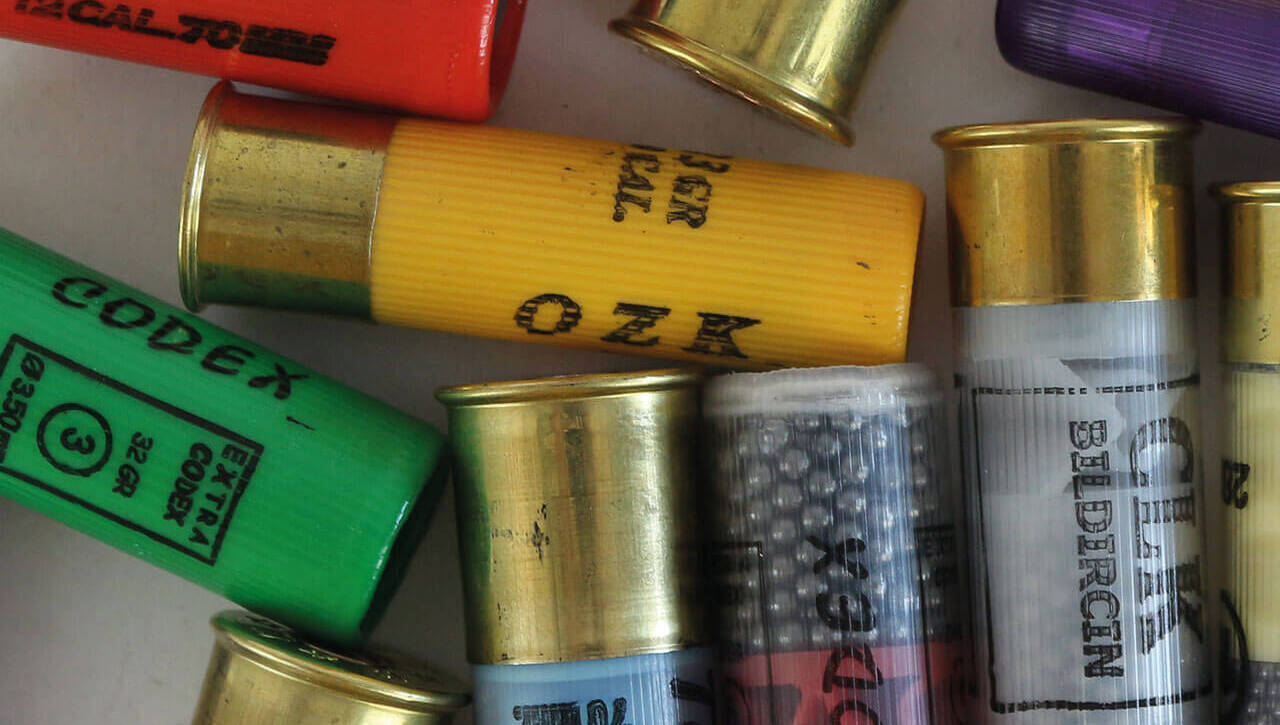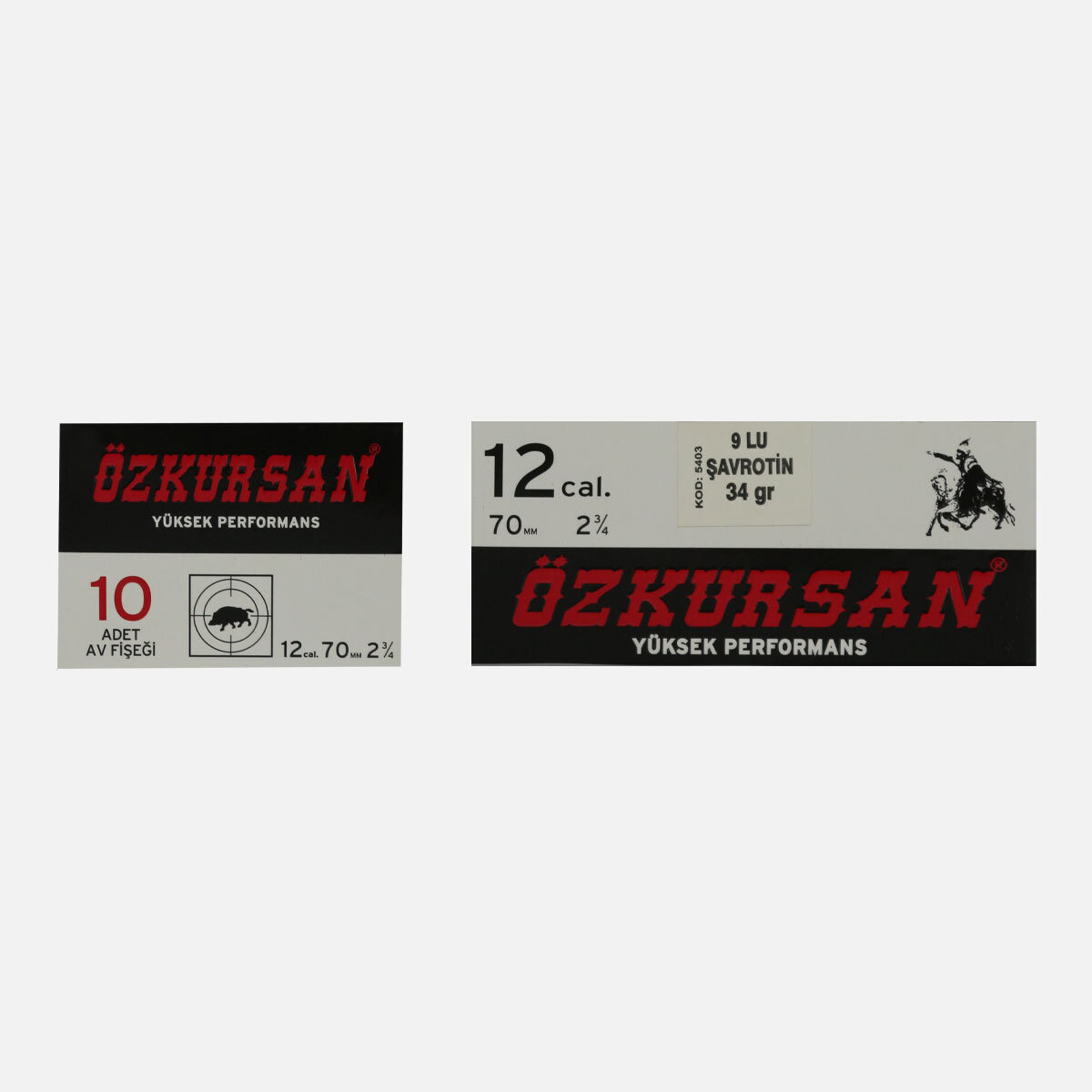
In a shotshell, the wad sits between the propellant and the shot column, sealing pressure behind the charge and cushioning the pellets as they begin to accelerate down the bore. The felt wad is one of the oldest wad designs still in commercial use and remains a deliberate choice for many shotgun shooters and hunters rather than a legacy leftover.
How a Felt Wad Works in the Cartridge
A shotgun wad has three jobs: sealing propellant gas behind the shot charge, cushioning the shot against the initial shock of ignition, and carrying it down the bore with as little deformation as possible. A traditional felt wad is a stack of compressed felt or fibre discs placed over the powder charge (often above a card wad) and closed at the top by an over-shot card. Because felt compresses under pressure and then springs back, it absorbs part of the shock that would otherwise be transmitted directly into the pellets, and it forms a snug seal against the barrel wall as it travels down the bore.
Felt Wad vs. Plastic Shot-Cup Wad
Unlike a one-piece plastic wad, a felt wad does not enclose the shot in a protective cup, so individual pellets can touch the bore wall and deform slightly in flight. Plastic shot-cup wads generally give a tighter gas seal and a denser, more consistent pattern, which is why they dominate modern loads built around steel or other hardened shot. Felt wads remain in regular use in classic and vintage-style loads, in older or non-choked barrels, and wherever a biodegradable wad is preferred to a plastic one — see also our Bior-wad quail cartridges for a comparison with a different biodegradable wad technology.
Effect on Pattern, Range and Recoil
Because the shot is not cupped, felt-wad loads typically produce a slightly more open pattern than an equivalent plastic-wad load at the same distance. Their commonly cited effective range sits in the region of 30 to 50 metres, depending on gauge, shot size and choke; see our guide to shot sizes for hunting shotguns for more on matching pellet size to quarry and distance. Many shooters also describe felt-wad recoil as feeling softer, since part of the recoil impulse is absorbed by the wad's own compression — although overall recoil is still governed mainly by shot charge weight and propellant charge, not by the wad material alone.
Matching Wad and Load to the Game and Distance
- Small and medium game (hare, partridge, quail) generally suits lighter shot charges and standard felt wads at moderate range.
- Larger or tougher quarry calls for heavier shot charges and higher-energy loads, for which a plastic shot-cup wad is often the better technical choice.
- Shot size, gauge and wad type should be selected together, matched to the quarry, the shooting discipline (field, skeet, trap, sporting clays) and the firearm's chamber and choke — see smoothbore shotgun chamber compatibility.
Environmental and Regulatory Considerations
Felt decomposes faster than plastic and does not accumulate as long-lasting litter on hunting grounds or shooting ranges, which is one reason some venues and regions favour felt-wad cartridges. Hunting remains subject to seasonal, species and shot-material regulations that vary by region; hunters in Türkiye should confirm the current rules that apply to their location and target species before use.
Safe and Responsible Use
Use suitable eye and hearing protection, maintain a safe direction at all times, positively identify the target and the area beyond it, and follow all range or field rules. Ammunition should be stored securely and supplied only through authorised, lawful channels.
Review product categories, the catalog and corporate inquiry options for current Ozkursan information.